Ultra Gobi 2026: The 21st edition in review
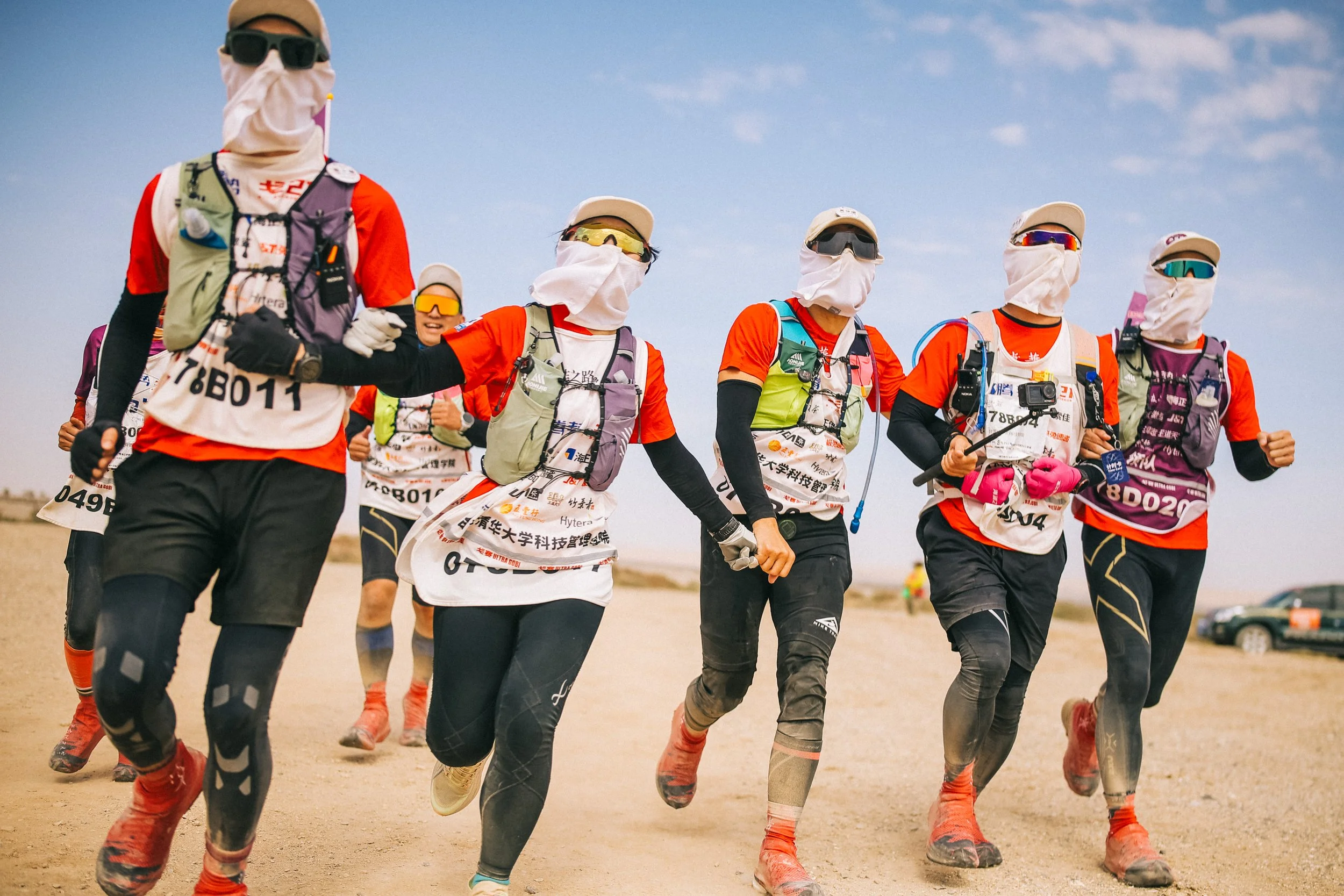
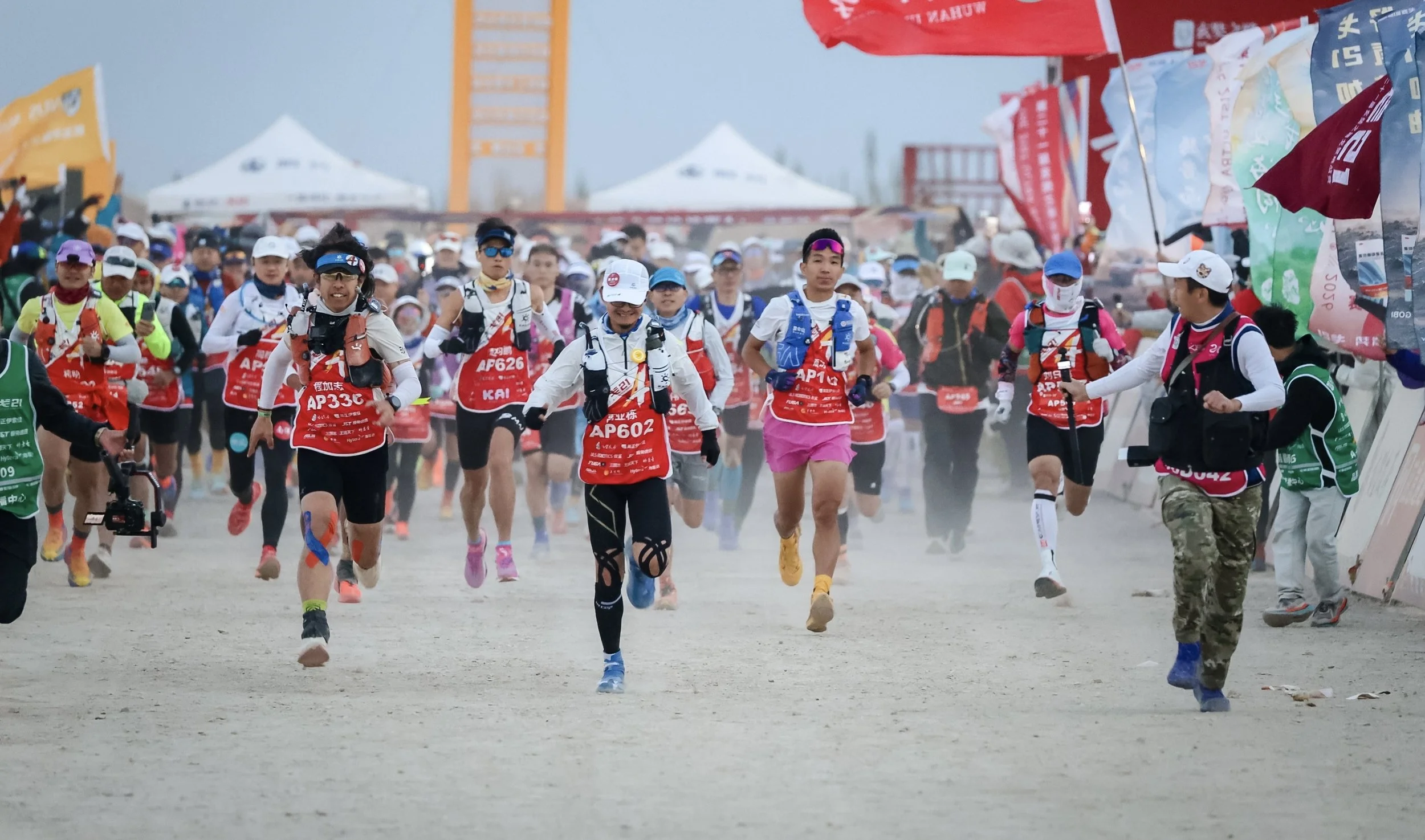
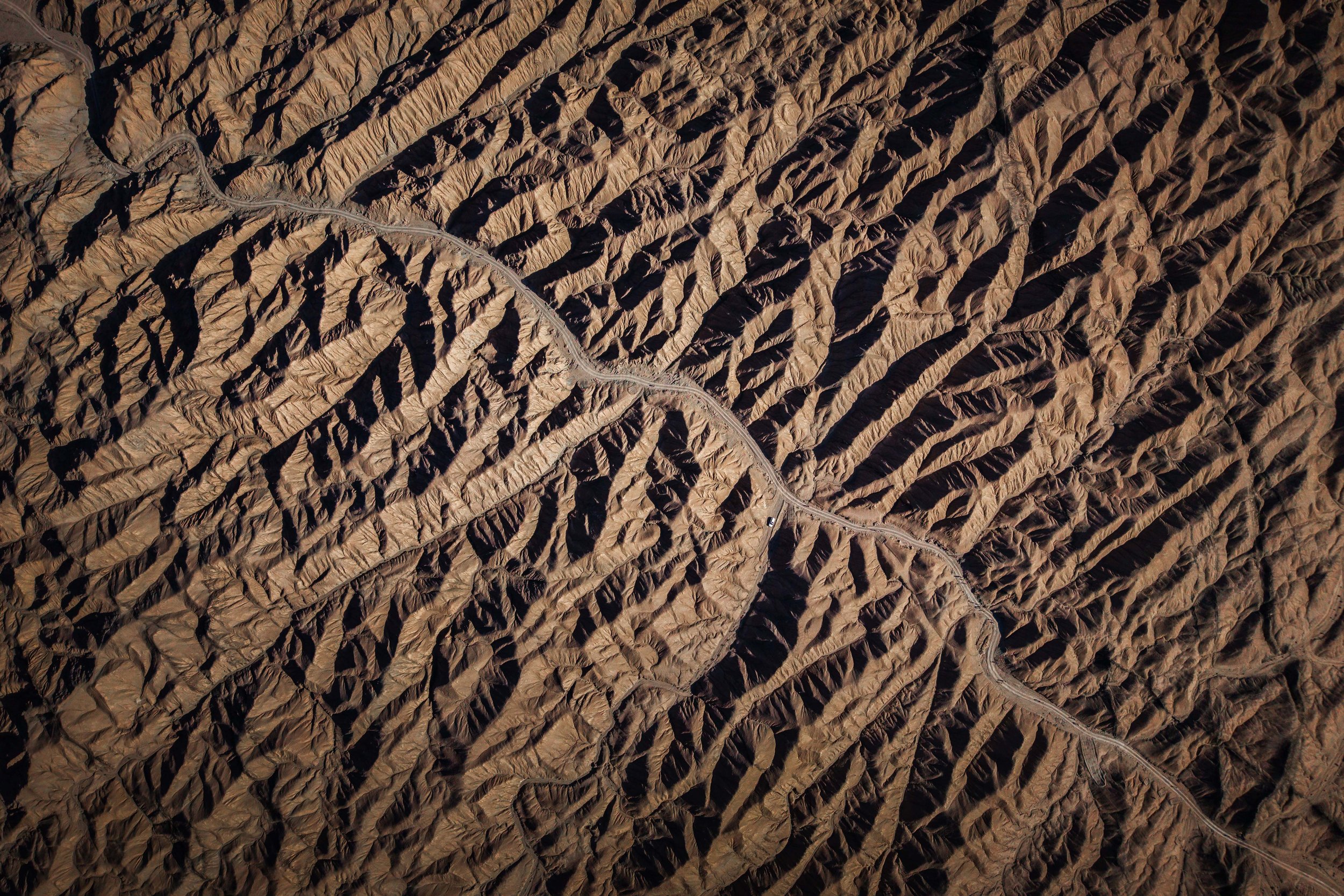
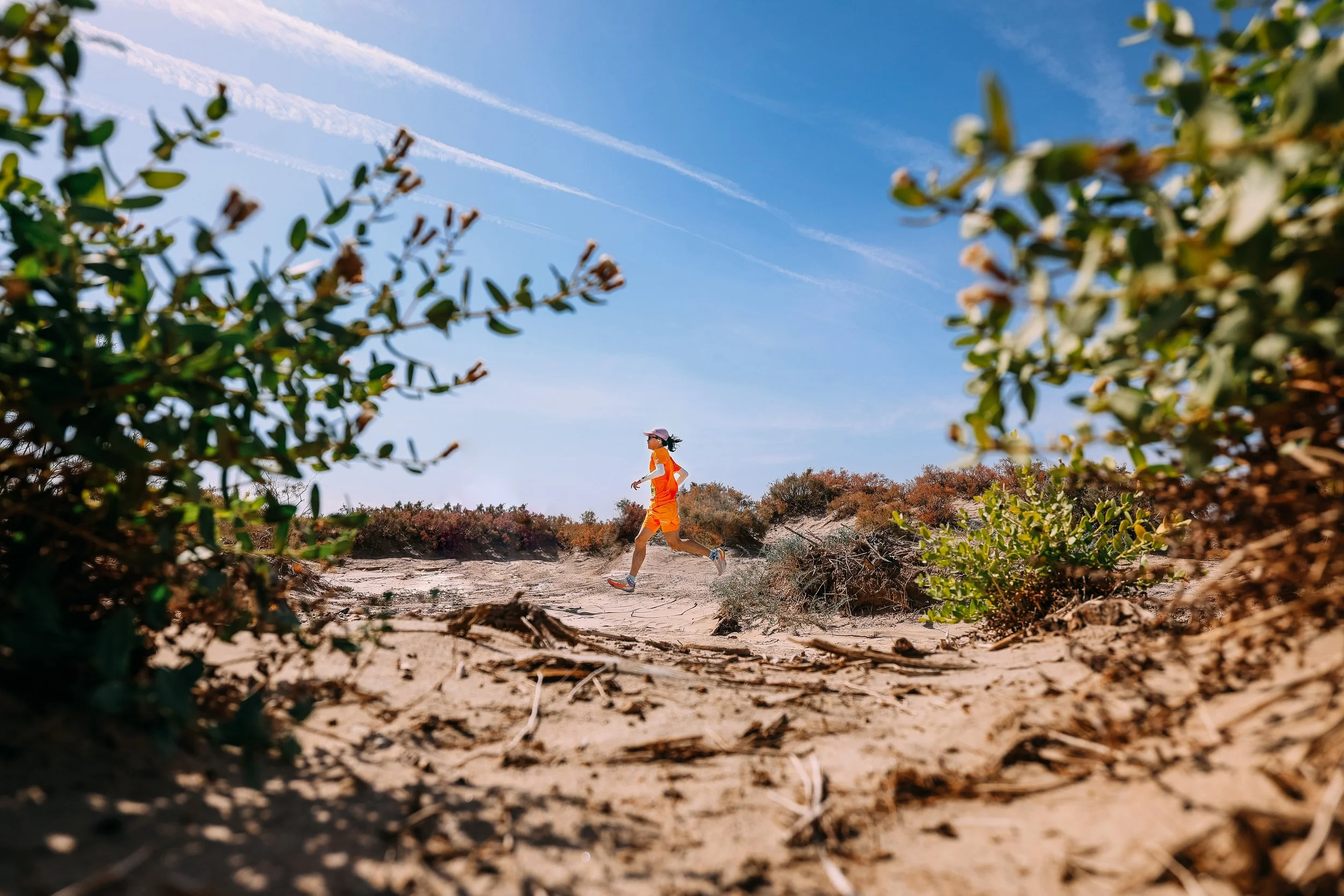
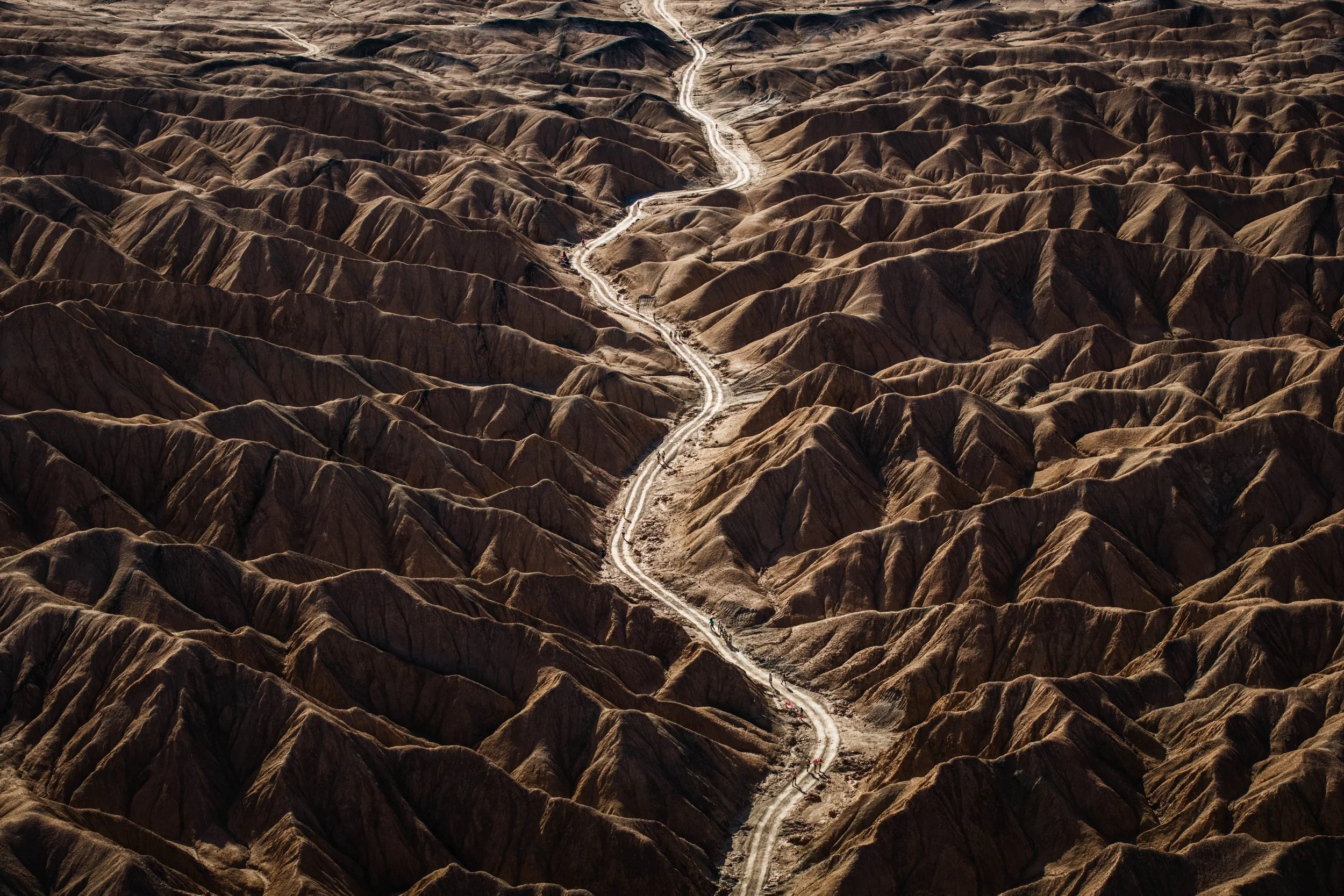
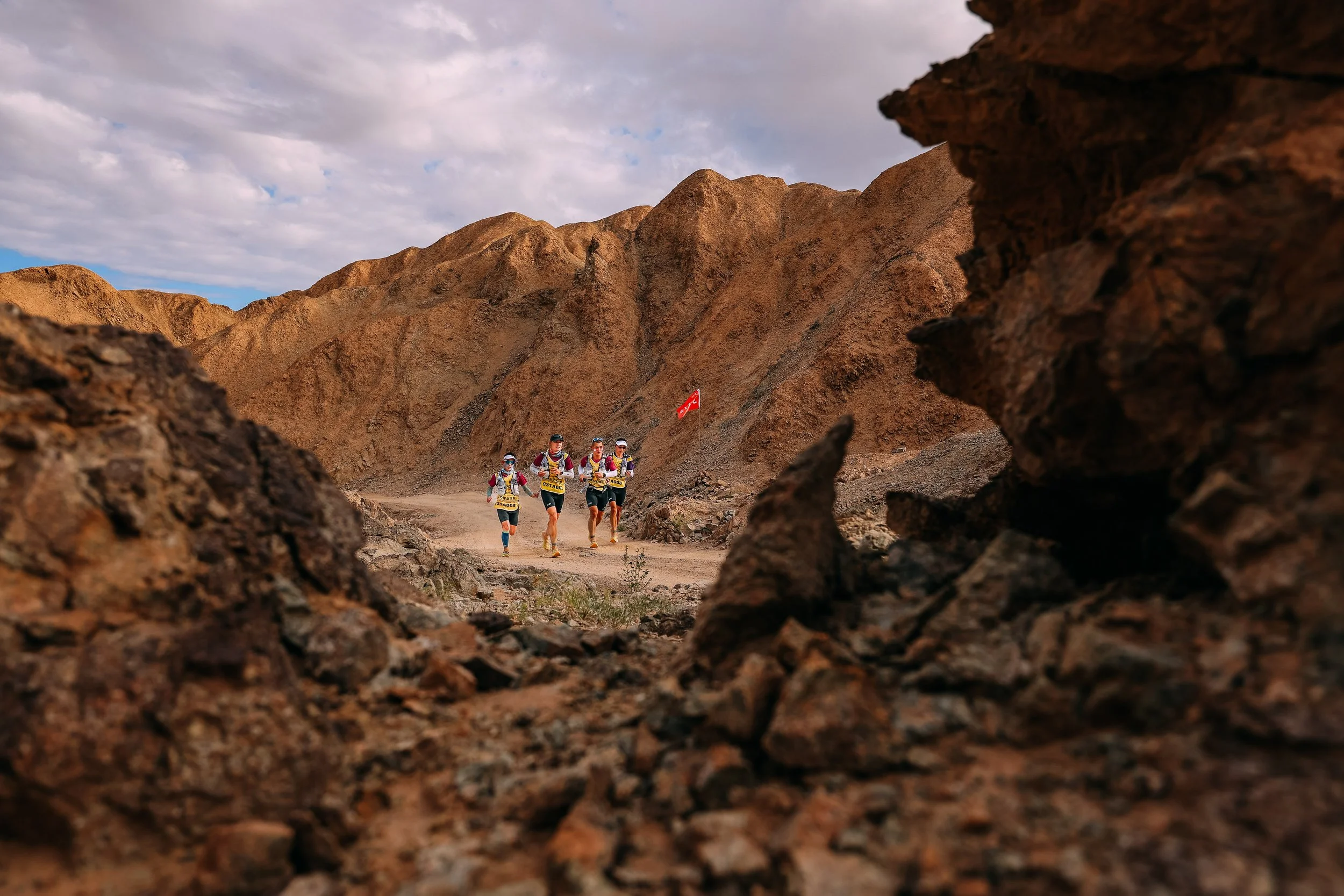
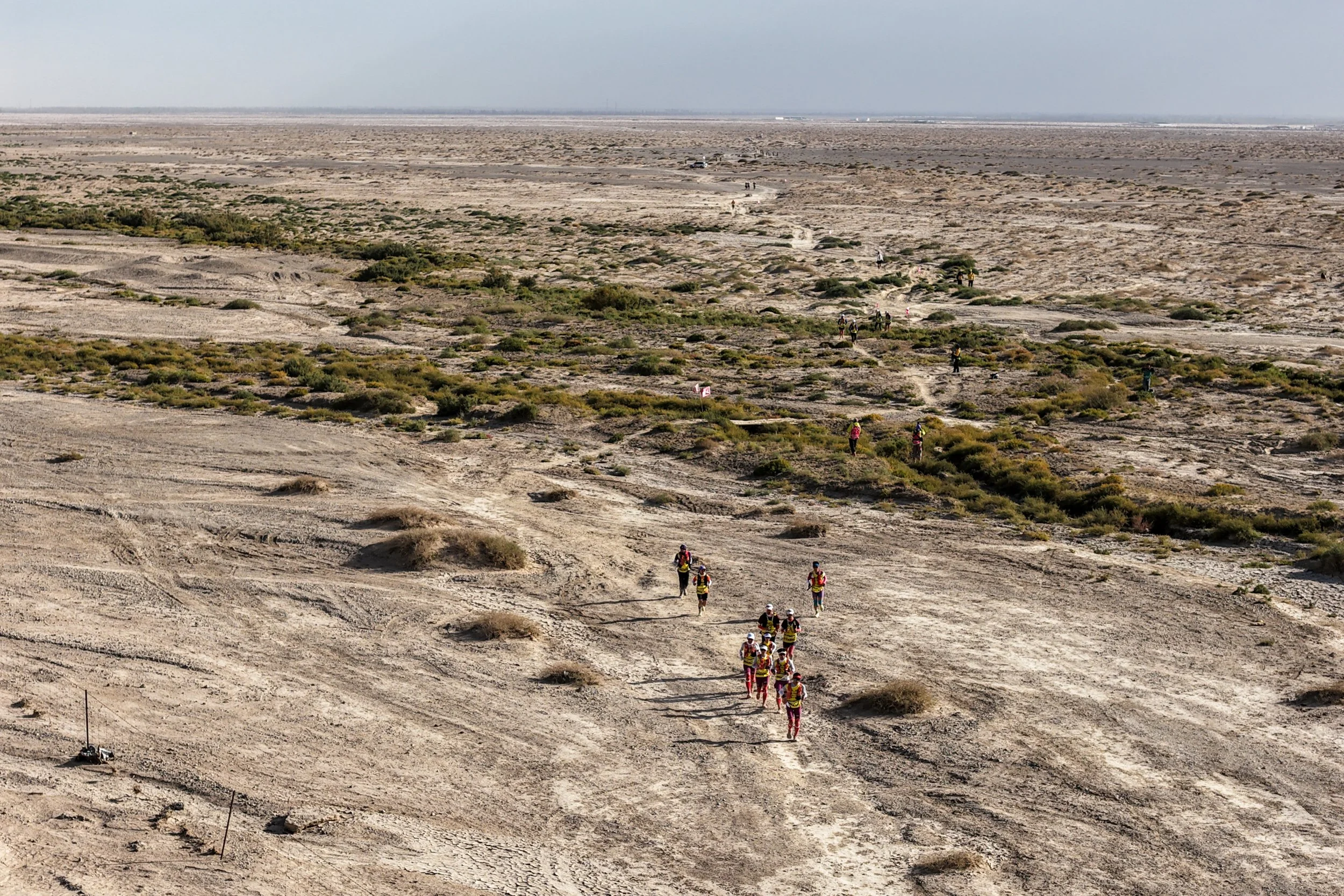
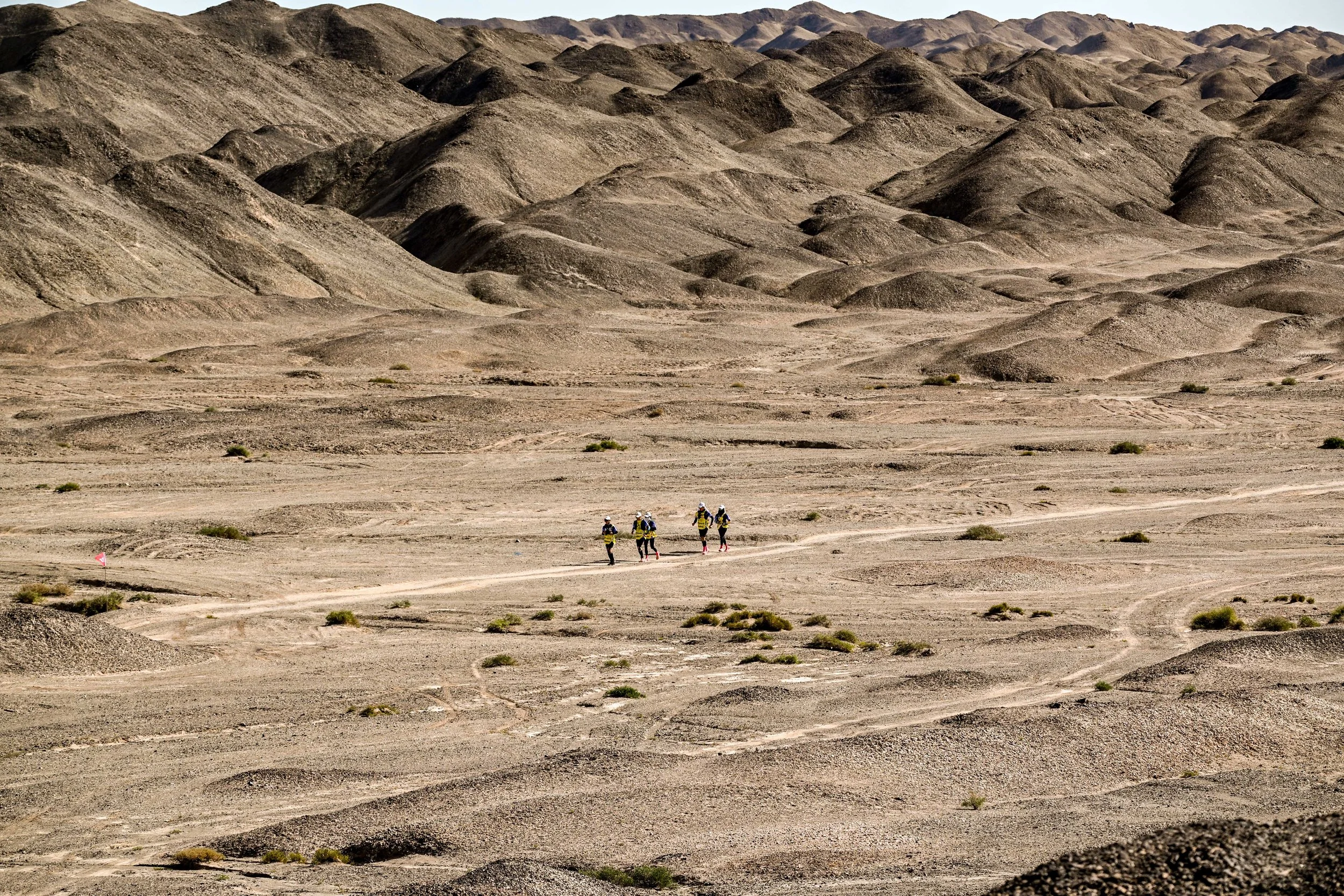
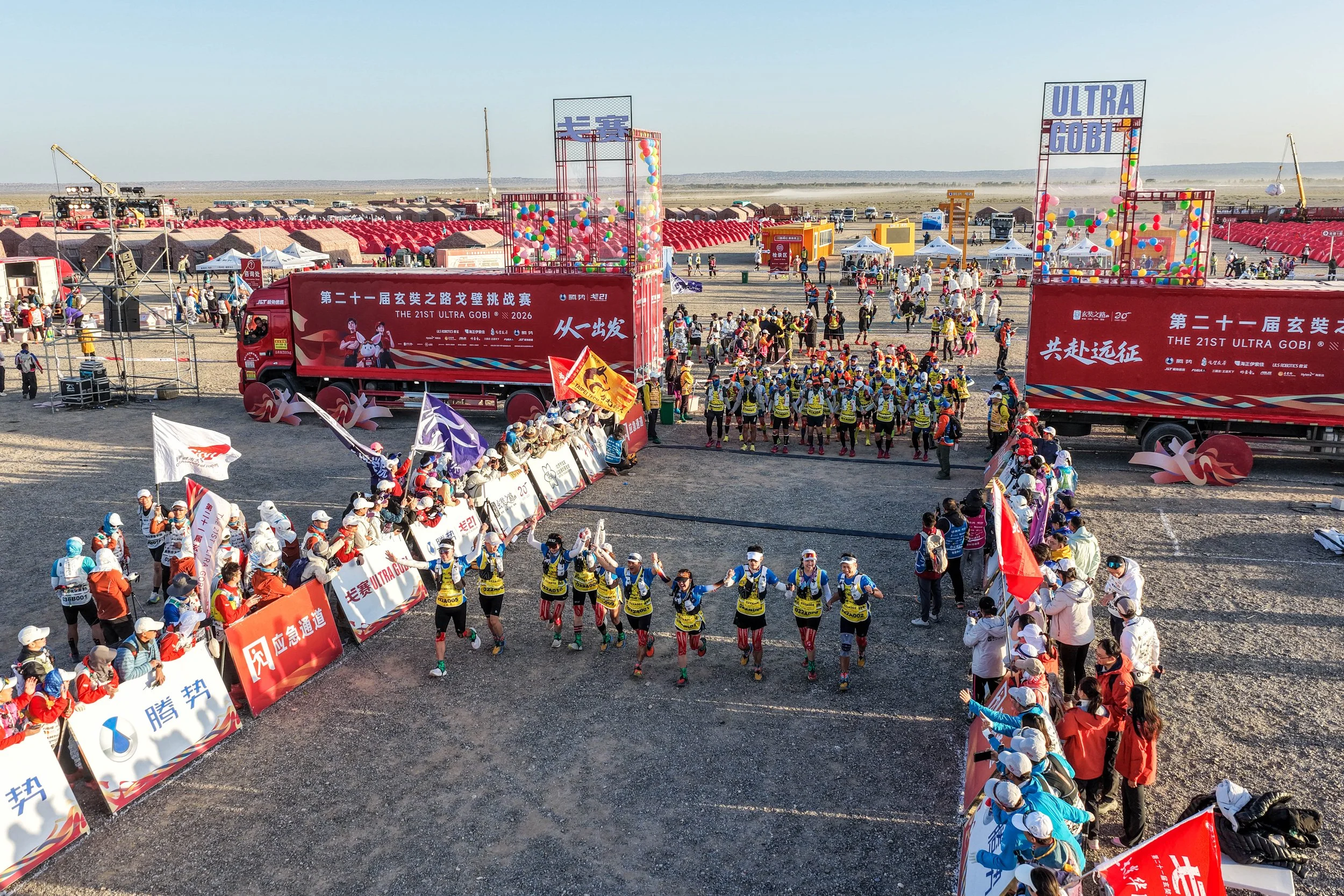
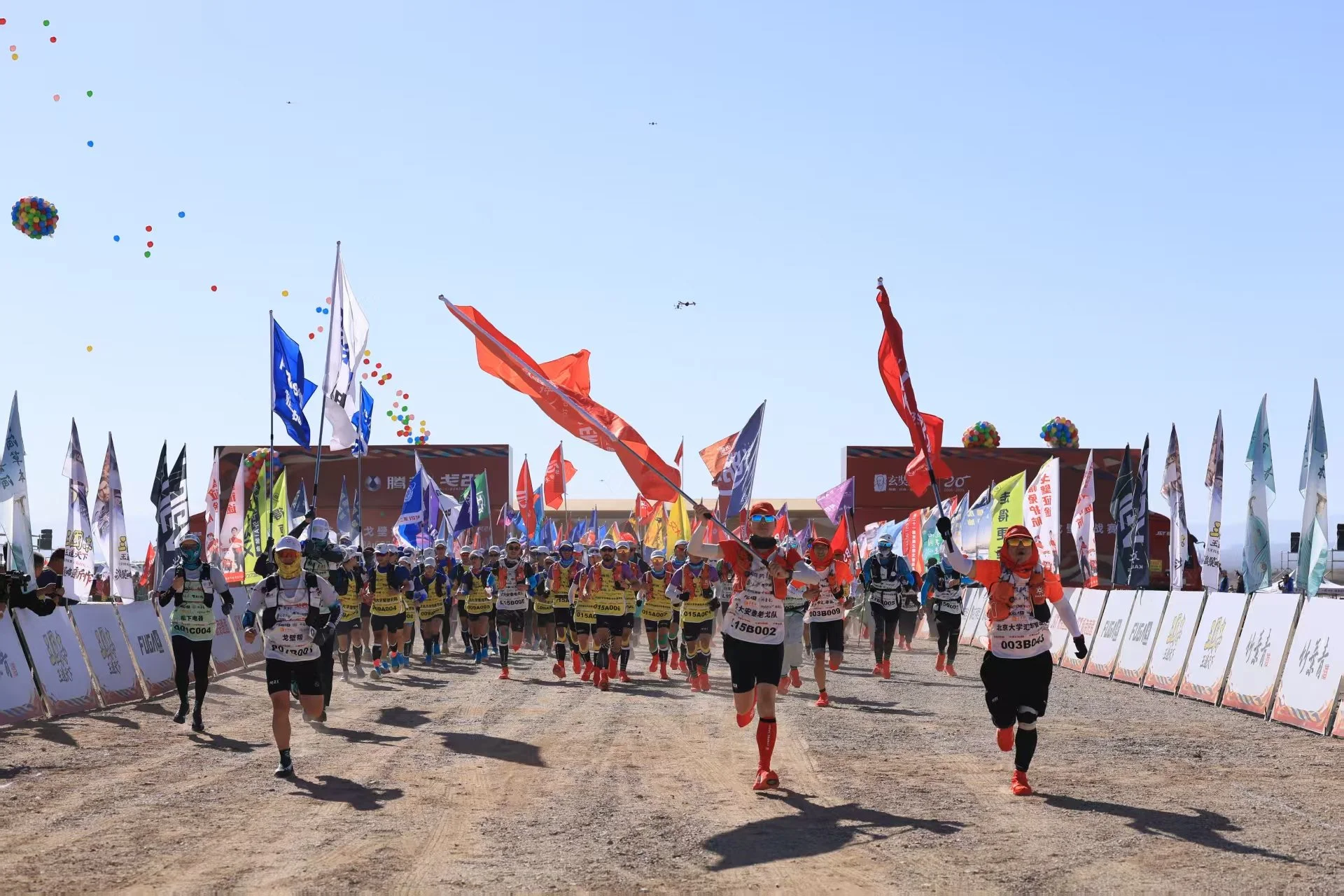
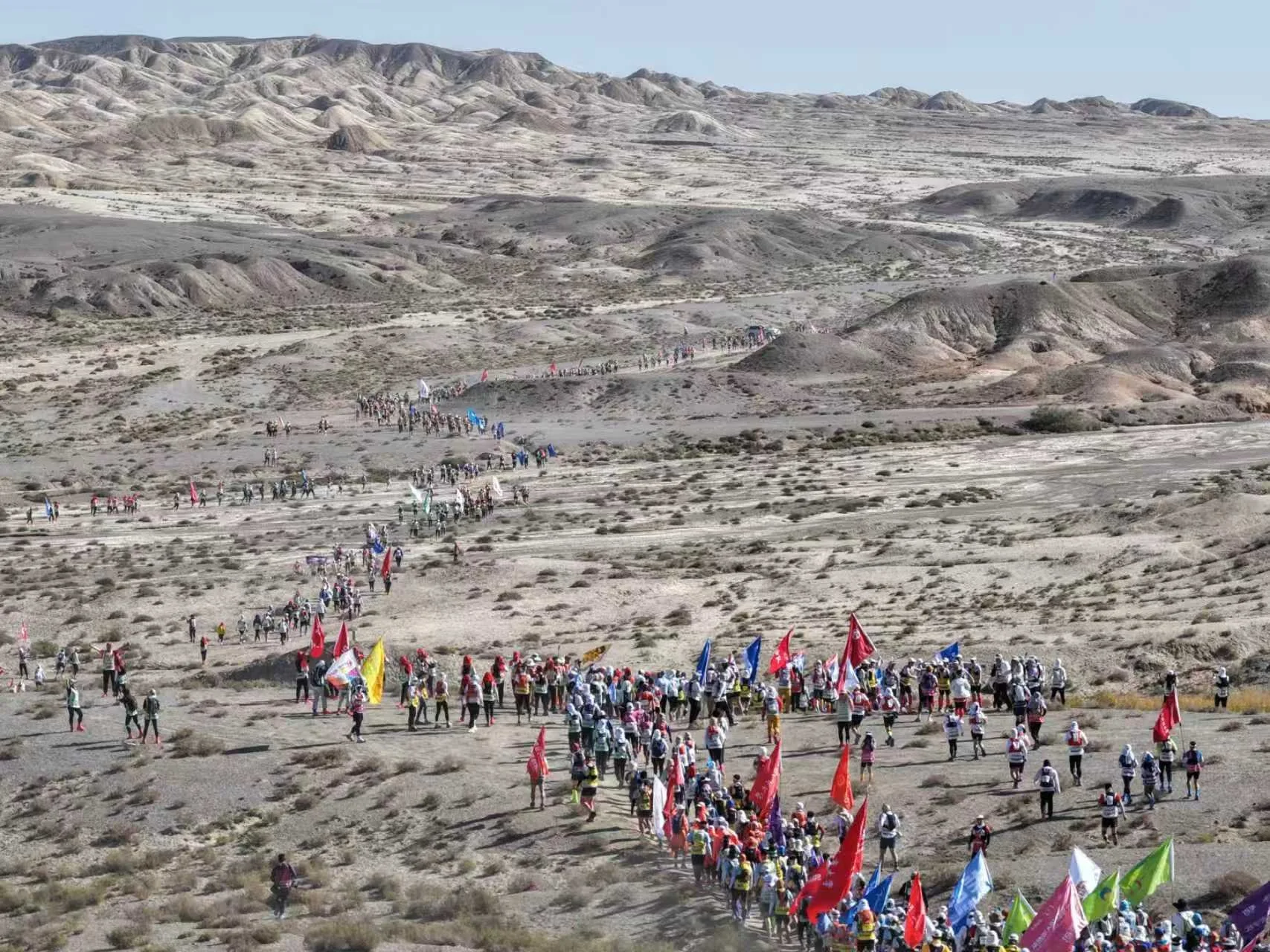
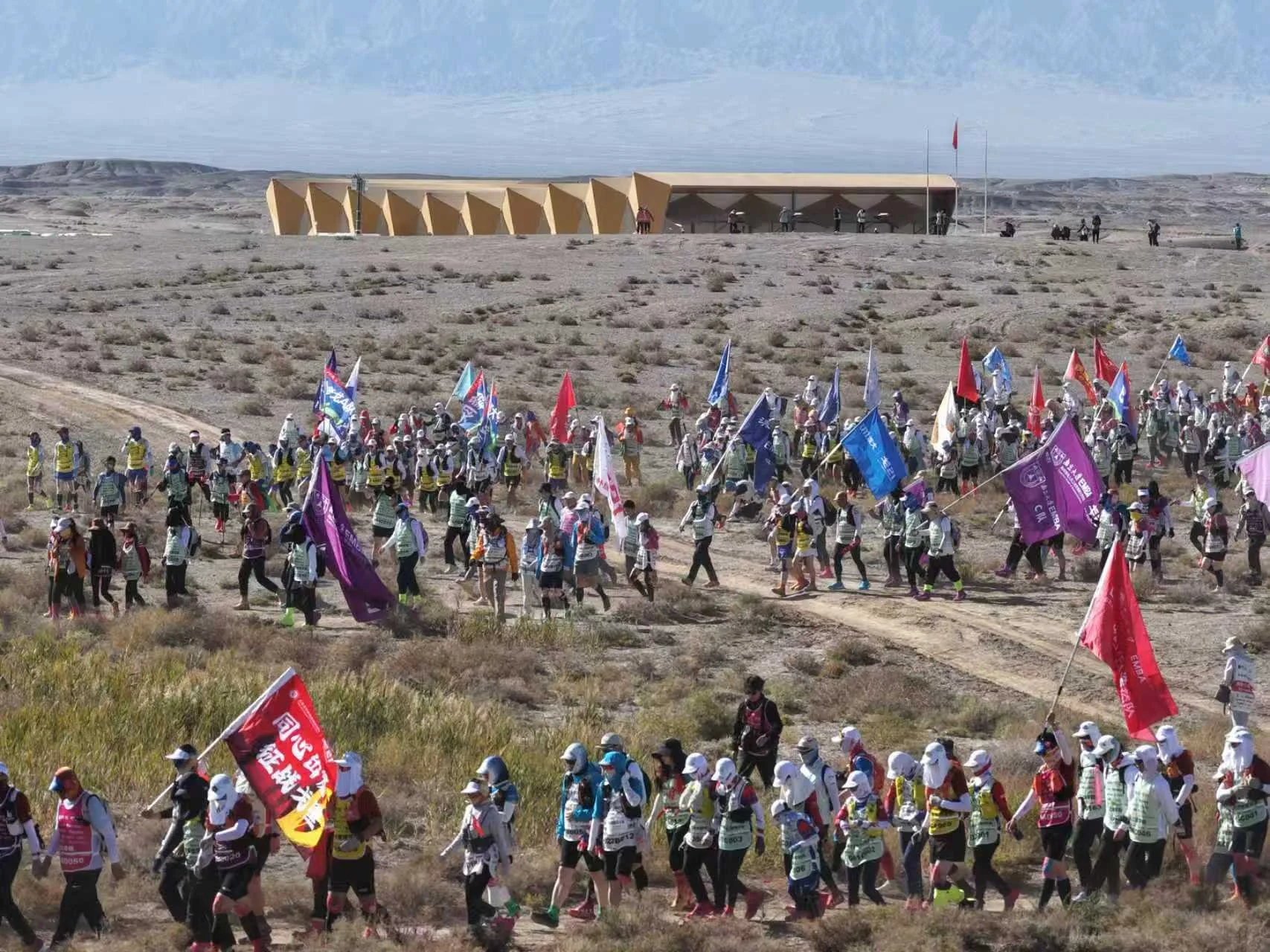
The Gobi Desert is quiet again. The Ultra Gobi caravan has left the desert around Dunhuang in Gansu province, northwestern China: 5,200 athletes, 2,000 tents, the logistics trucks and the buses. No generators hum through the night, and no floodlights light up the camps. What remains is wind, sand and a night sky dark enough to show the stars that light pollution has erased from most inhabited places.
Two Europeans in the solo top five
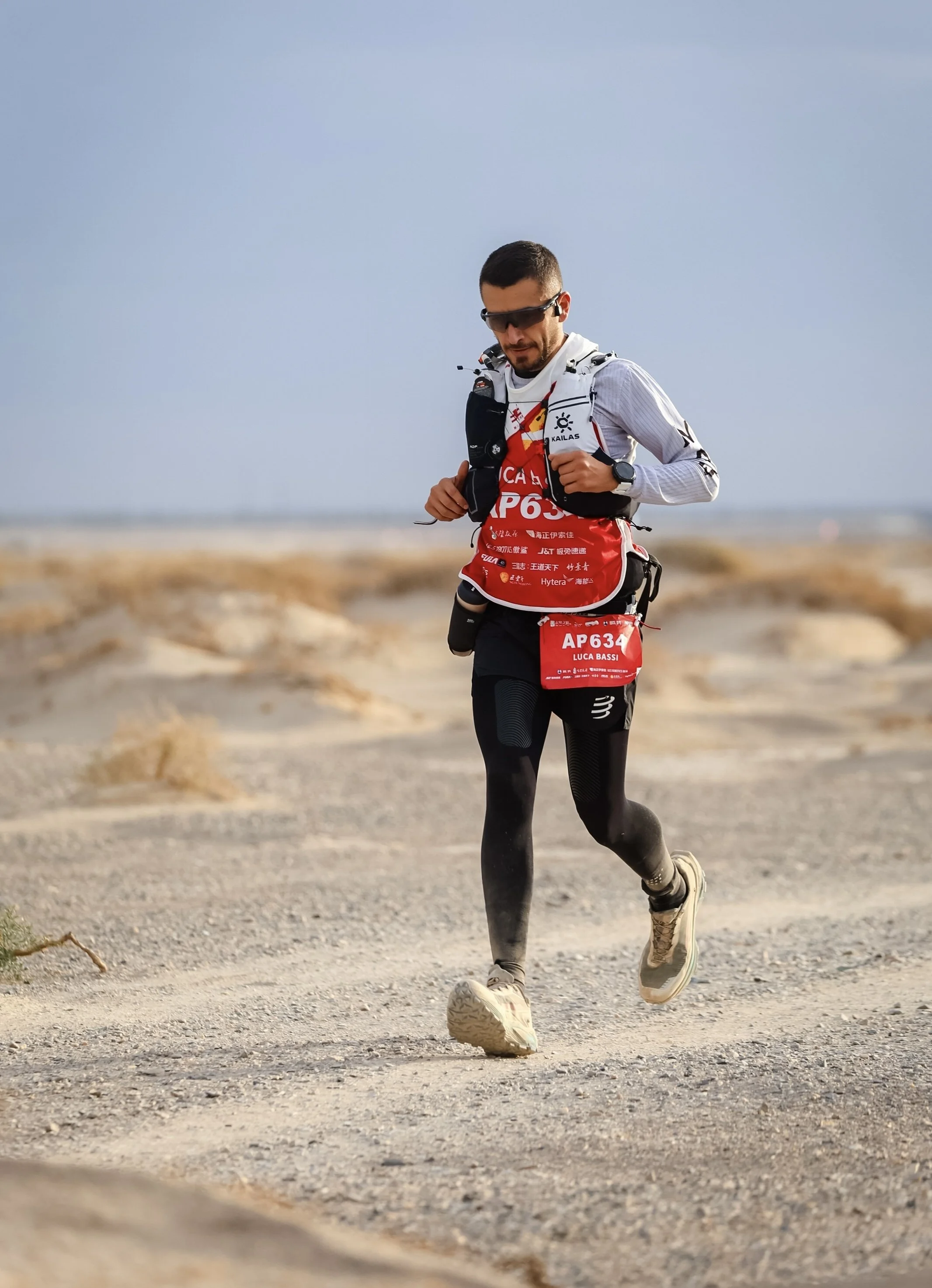
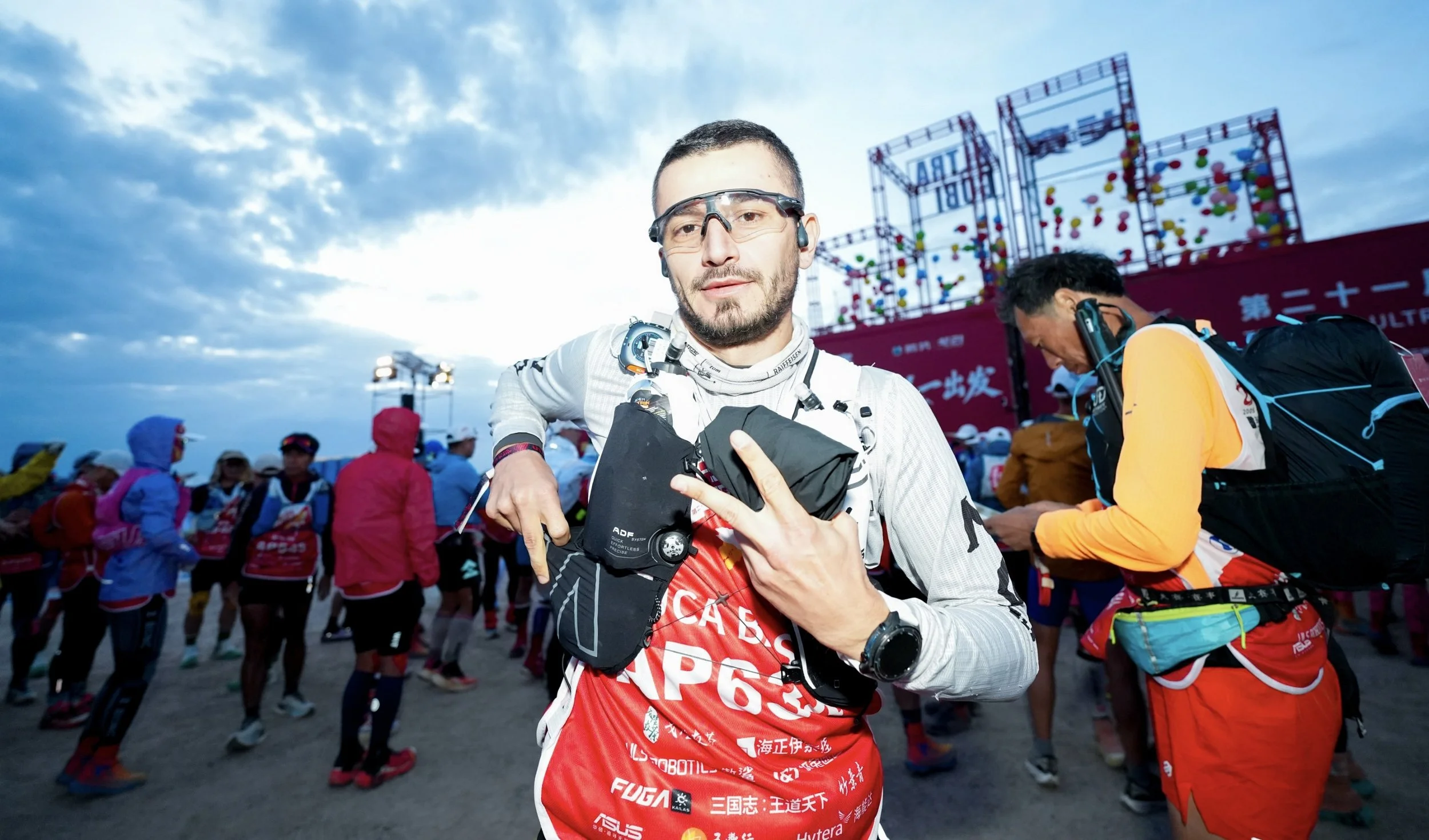
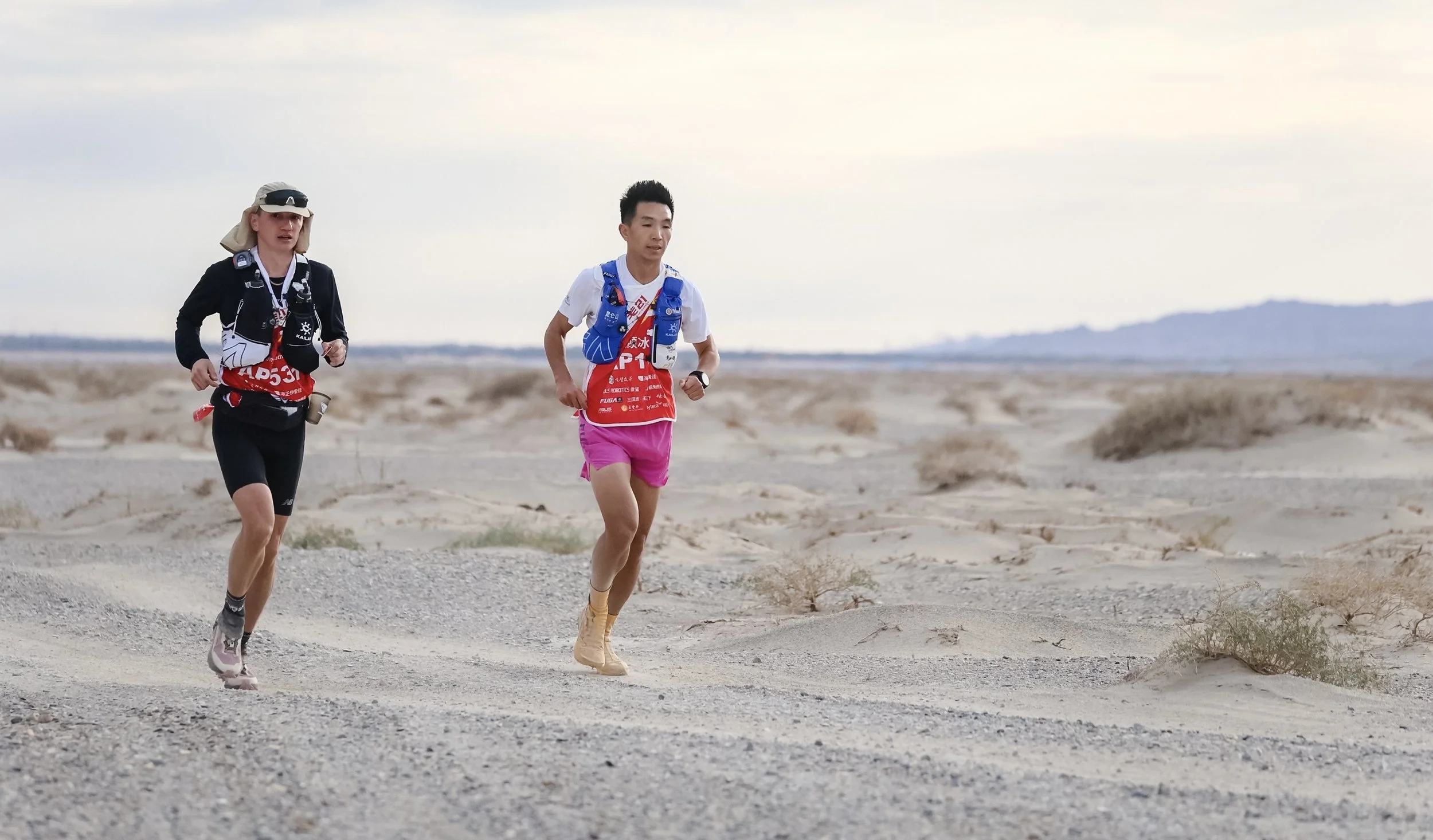
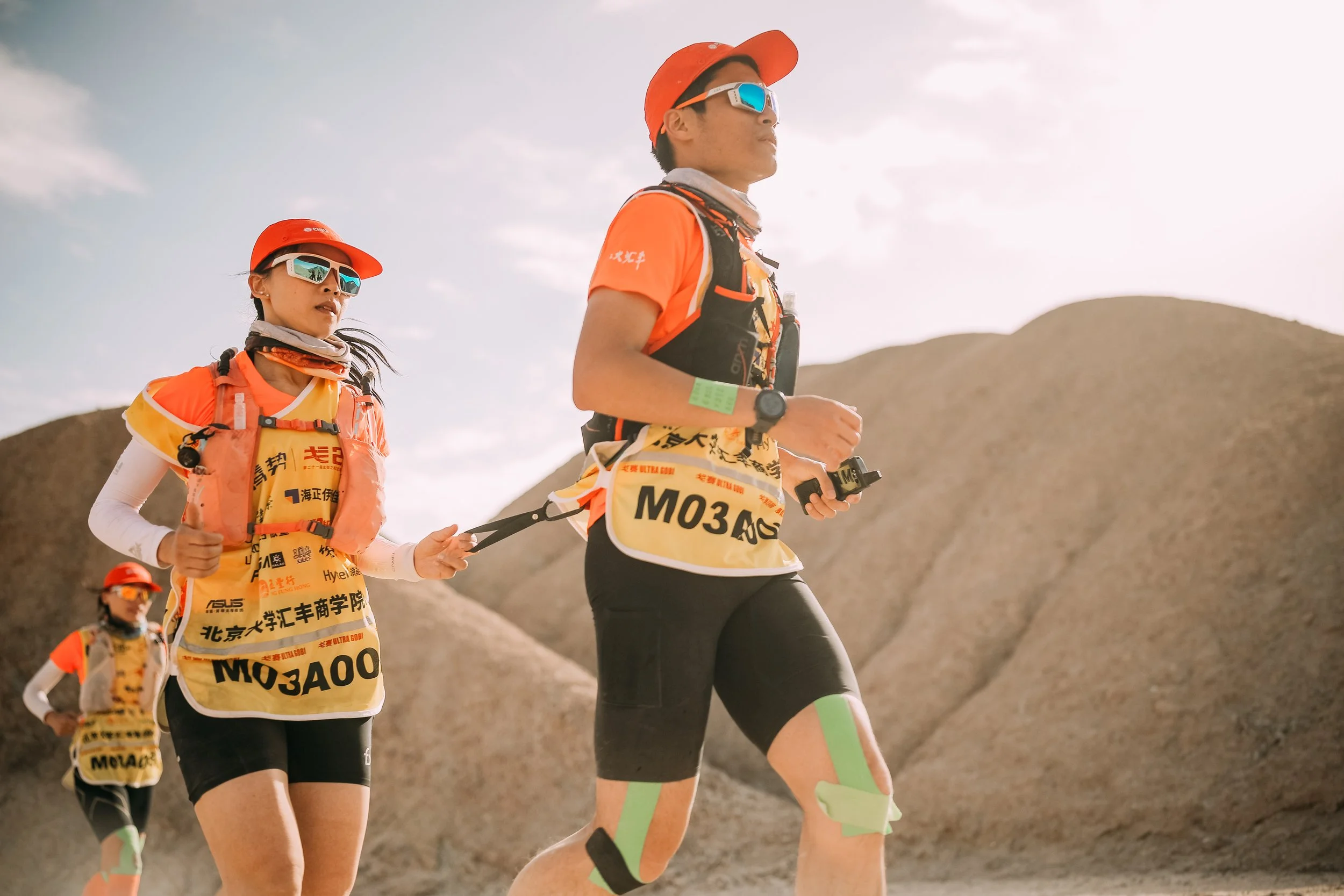
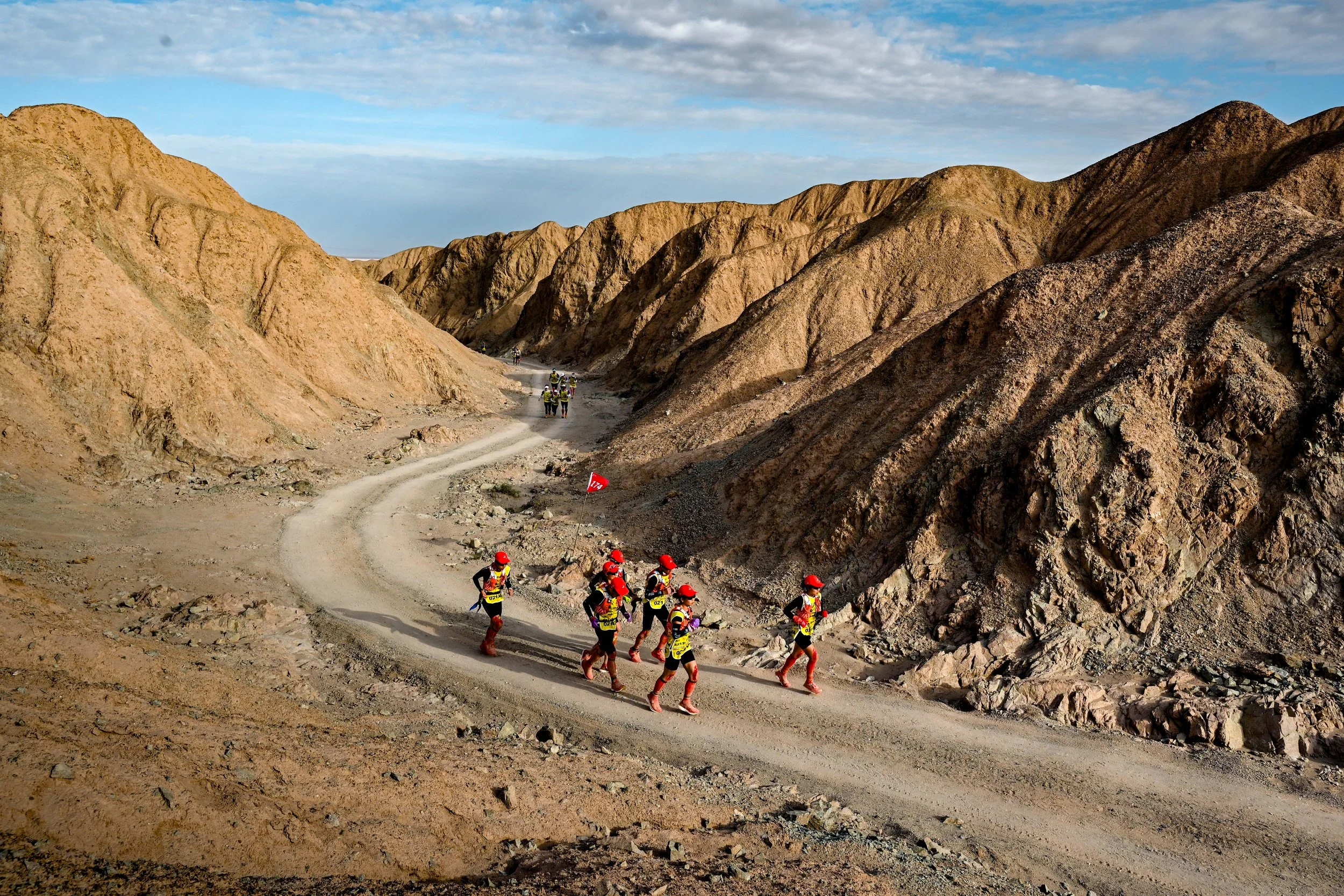
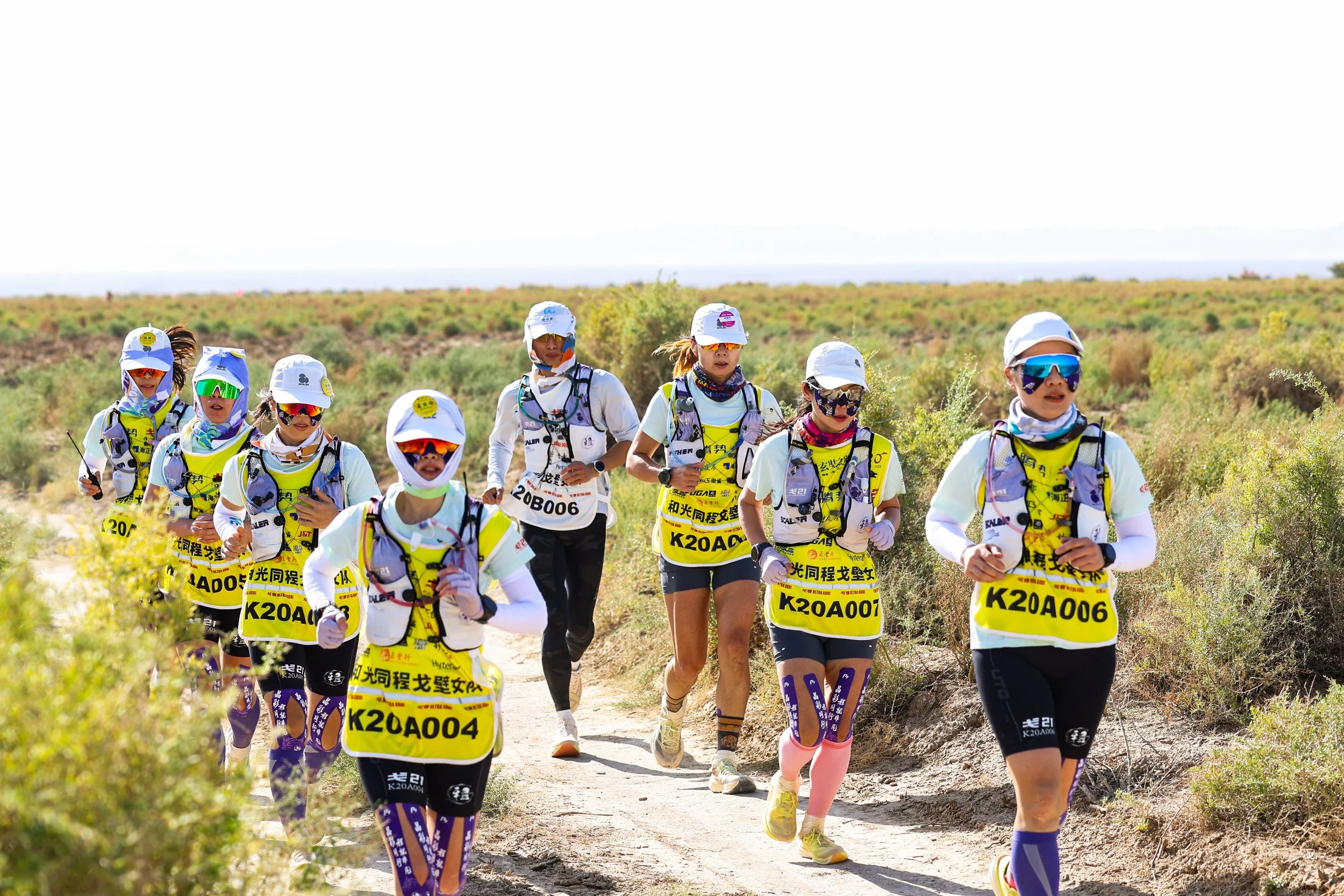
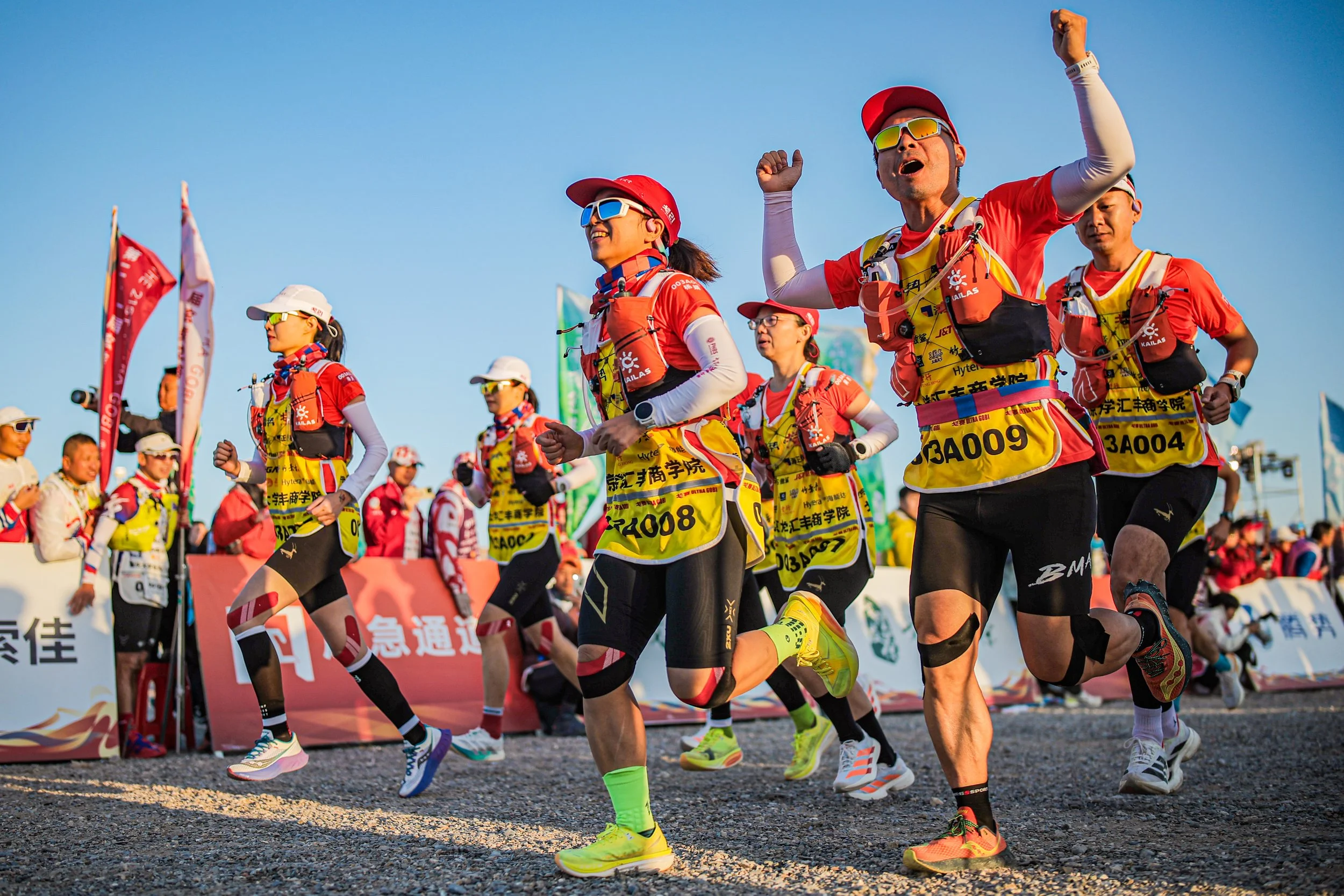
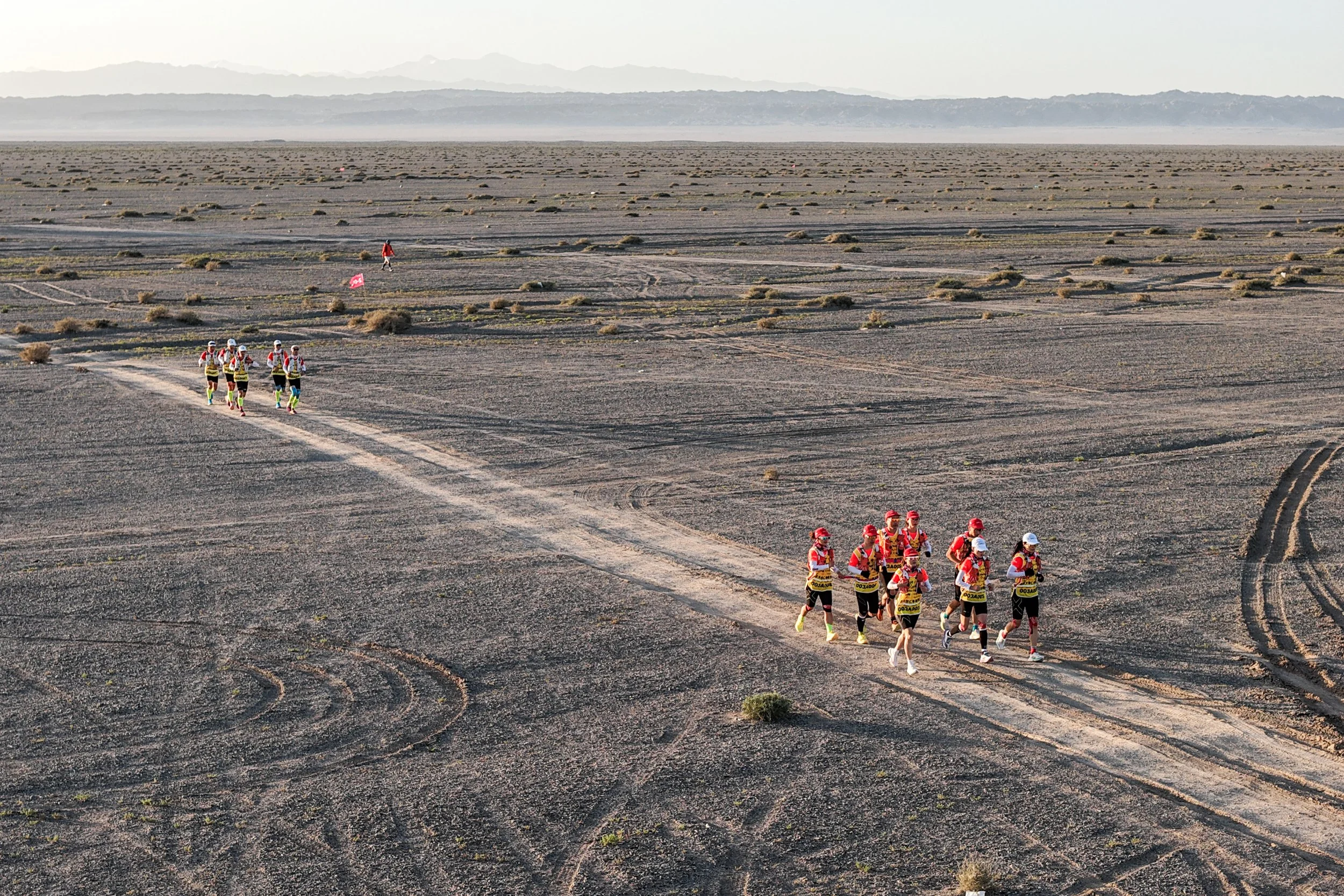
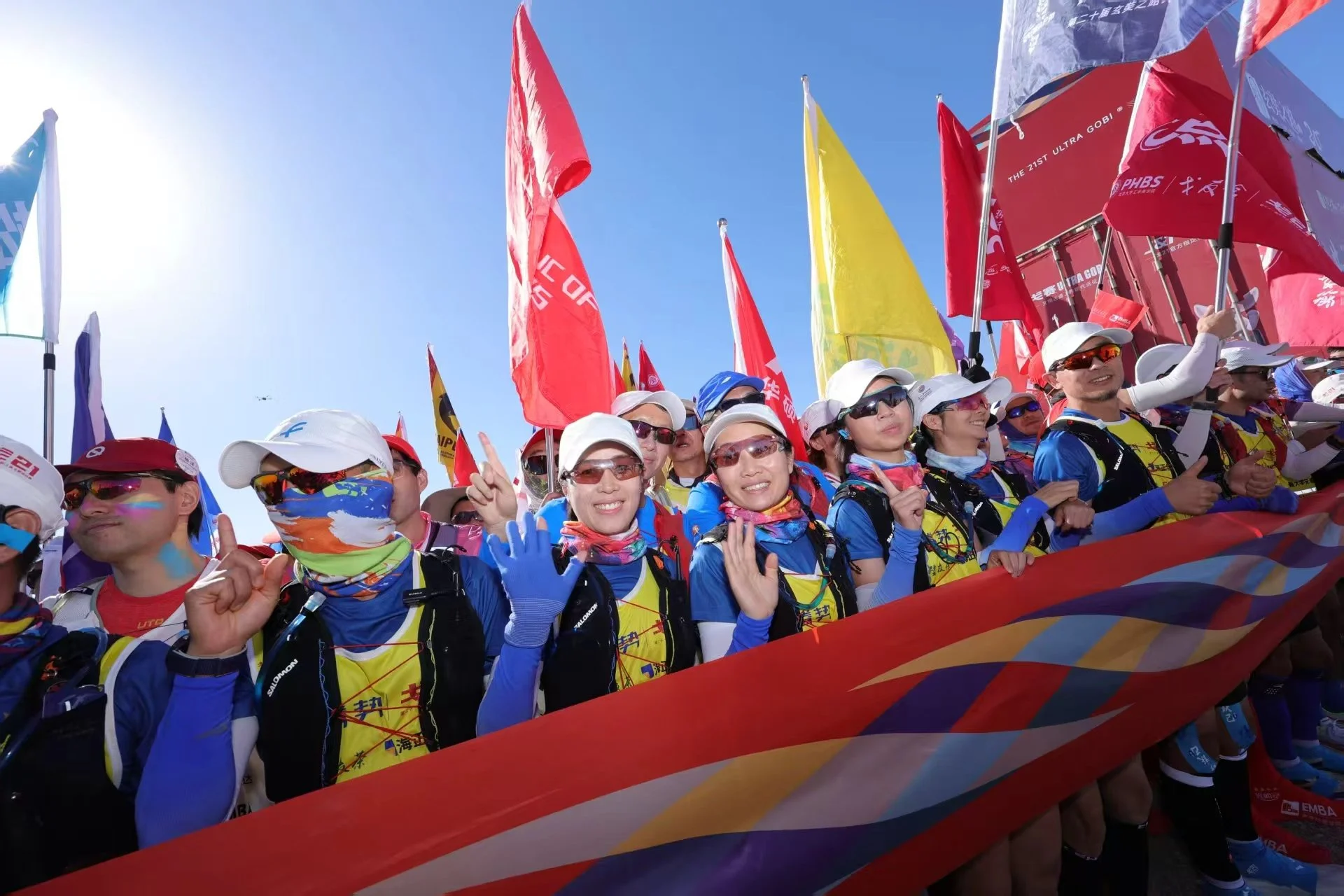
The Cheung Kong Graduate School of Business won the A team race, the race's most prestigious category. In the 121 km A+ individual race, Vyacheslav Besfamilnyi from Russia took the win. Luca Bassi from Italy finished fifth, which put two Europeans in the top five. Across all formats, there were no major incidents and no serious injuries.
No sandstorms, one light shower
This year there were no sandstorms and no extreme cold at night. A light shower fell on the third day of the team race and never turned into more. In 2025 it went differently: heavy rain flooded parts of Dunhuang, the host city, a few days before the start.
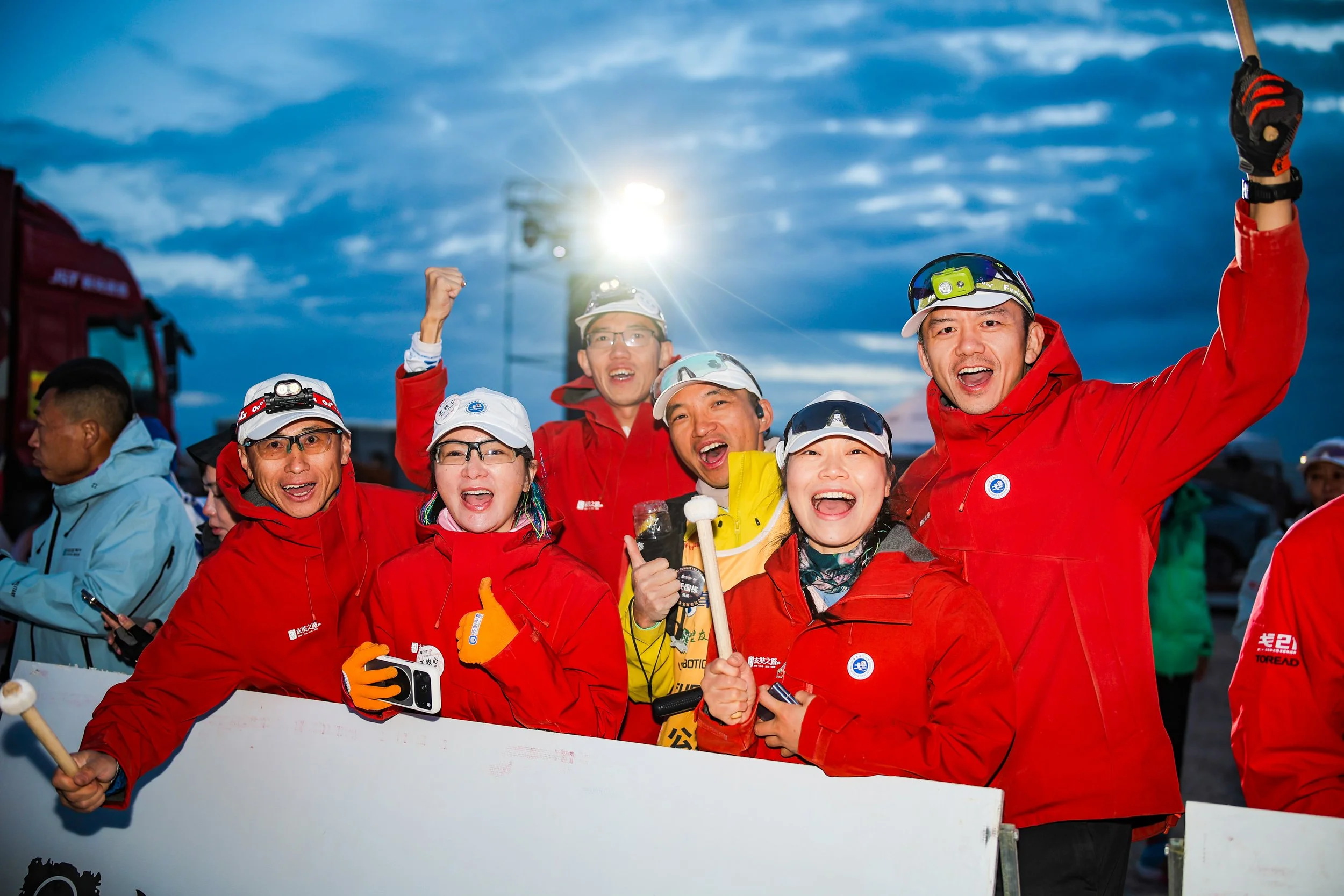
"So far, I've received nothing but positive feedback from the participants," says Eliza Wang, Director of Global Business Development at Ultra Gobi.
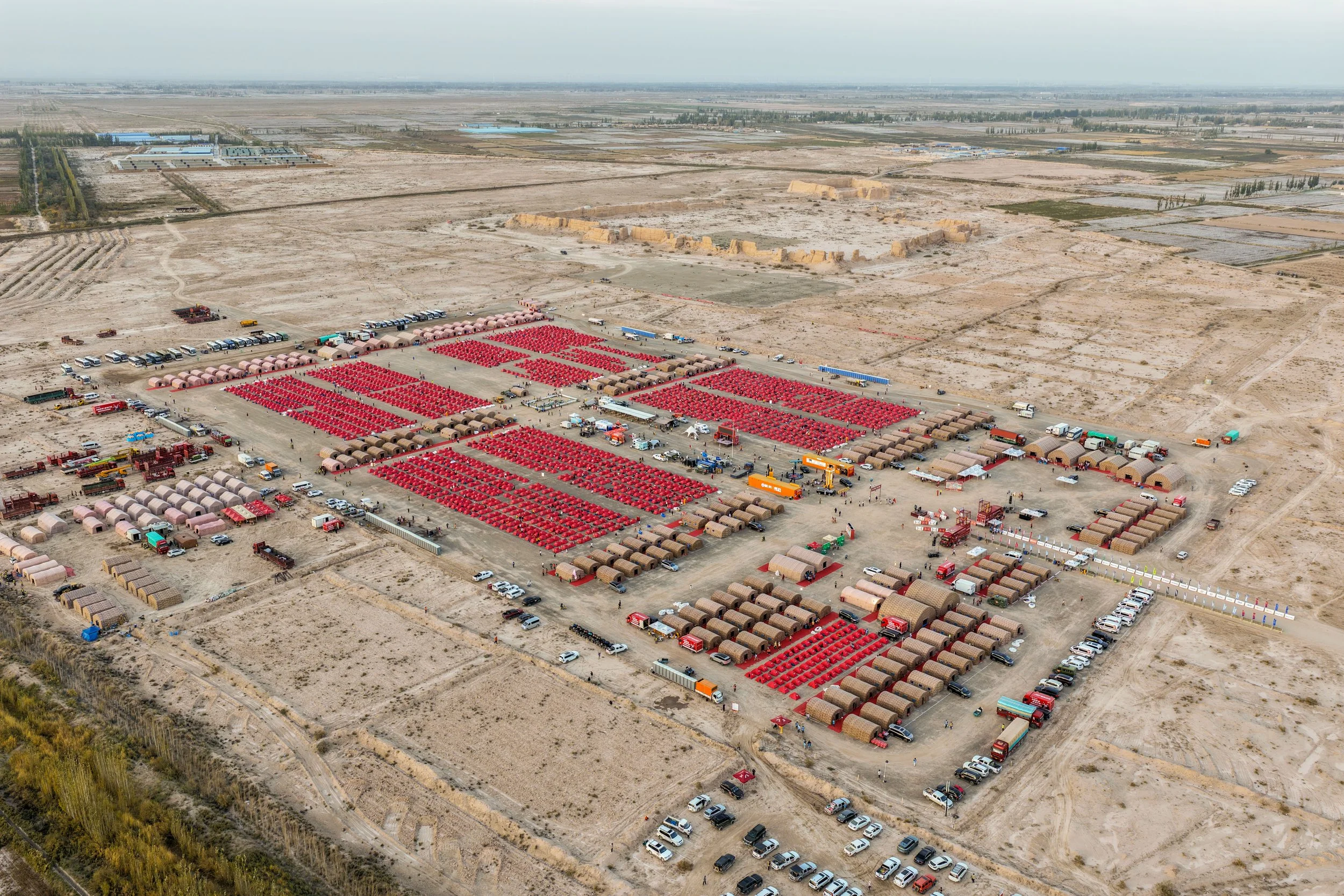
Three desert camps, reworked for 2026
The race runs through three camps in the desert, and that is where most of the changes for 2026 happened. "We were able to improve a few things, such as the organization and operations at the three camps in the desert, while still saving about 10 percent in costs," says Wang. In a difficult economic year, that took work. Many of the suppliers behind the camps have worked with the race for 15 years, and that shared experience made the changes possible.